
PTSD in Tavares & Winter Garden, FL
Experiencing or witnessing a traumatic event can leave lasting emotional scars that affect daily life in profound ways. When those feelings of fear, anxiety, or distress don’t fade over time, it may be a sign of Post-Traumatic Stress Disorder (PTSD). At Advanced Behavioral Health Center in Tavares and Winter Garden, FL, the compassionate care team provides personalized treatment for PTSD to help patients find relief, rebuild confidence, and regain a sense of safety in their lives.
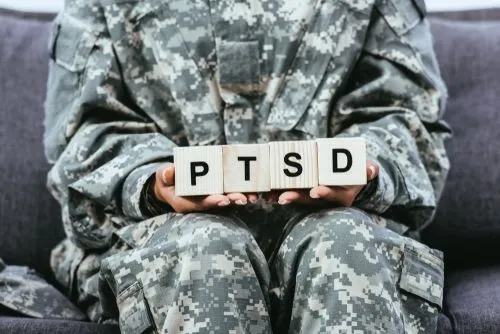
Understanding PTSD
PTSD is a mental health condition that can develop after someone experiences or witnesses a traumatic event such as an accident, natural disaster, assault, combat exposure, or serious injury. While it’s normal to feel unsettled after trauma, PTSD occurs when these symptoms persist for more than a month and interfere with everyday life.
Common symptoms of PTSD include:
- Intrusive thoughts or flashbacks of the event
- Nightmares or trouble sleeping
- Avoidance of places, people, or situations that trigger memories
- Feeling tense, easily startled, or “on edge”
- Emotional numbness or detachment from loved ones
- Difficulty concentrating or managing daily stress
These reactions can affect relationships, work performance, and overall quality of life, but with proper support and treatment, healing is possible.
How PTSD Affects the Brain and Body
PTSD doesn’t just impact emotions—it can also affect the brain’s natural response to stress. After trauma, the brain may remain in a heightened state of alert, interpreting ordinary experiences as threats. This can lead to chronic anxiety, irritability, and physical symptoms such as fatigue, muscle tension, or headaches.
The goal of treatment at Advanced Behavioral Health Center is to help patients calm the body’s stress response and reframe traumatic memories in a safe, supportive environment.
Evidence-Based PTSD Treatments
Every individual’s trauma experience is unique, which is why treatment plans are tailored to each patient’s needs. At Advanced Behavioral Health Center, the clinicians use a range of evidence-based therapies that may include:
Cognitive Behavioral Therapy (CBT)
CBT helps patients recognize and change negative thought patterns related to trauma, replacing them with more balanced perspectives.
Eye Movement Desensitization and Reprocessing (EMDR)
This structured therapy uses guided eye movements to help the brain process traumatic memories, reducing the emotional distress they cause.
Exposure Therapy
Gradual, controlled exposure to trauma-related triggers can help patients rebuild a sense of control and reduce avoidance behaviors.
Medication Management
In some cases, medication may be recommended to ease symptoms such as anxiety, insomnia, or depression as part of a comprehensive treatment plan.
Supportive and Trauma-Informed Counseling
Compassionate counseling creates a safe space for patients to share their experiences, rebuild trust, and develop coping strategies that promote long-term healing.
Healing Takes Time—But You’re Not Alone
Recovering from PTSD is a gradual process that looks different for everyone. With professional support, many patients experience fewer symptoms, greater emotional stability, and improved relationships over time. The team at Advanced Behavioral Health Center walks beside each patient every step of the way, helping them rediscover hope and resilience.